

Built for exploration
Solving problems for technical divers.
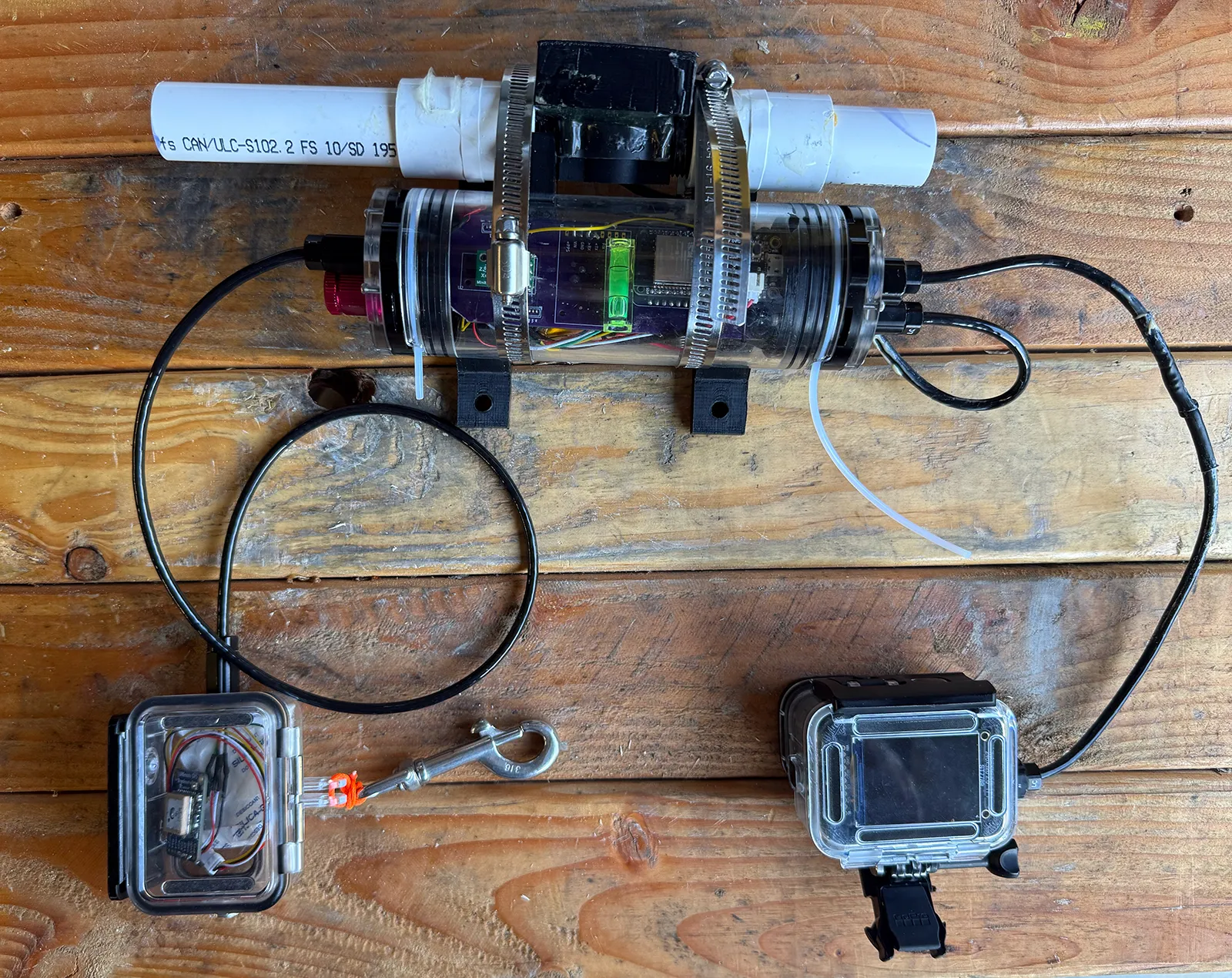
Tern is an incubator for underwater tools — navigation, charts, scooter battery predictive analytics, and perhaps some other projects if I can find the time. This exists because there are problems that we have, but which are typically not profitable to solve, so there's a need for an organization that enjoys engineering and testing crazy ideas, but doesn't have investors that must be satisfied. Everything here is built by a diver, tested on real dives, and documented honestly enough that you could build one yourself.
Source-available · DIY-buildable · Built around off-the-shelf parts
The idea
Honest instruments, not magic.
None of this violates the laws of physics. GPS doesn't work underwater. Precise subsea positioning scales almost entirely with what you're willing to spend. What Tern builds is the best answer at a price a diver can actually reach. This is also the page for adjacent work - predictive analytics for batteries, battery pack lids, and so on.
Projects
Different work at different stages
Real status of work in progress, no marketing fluff.
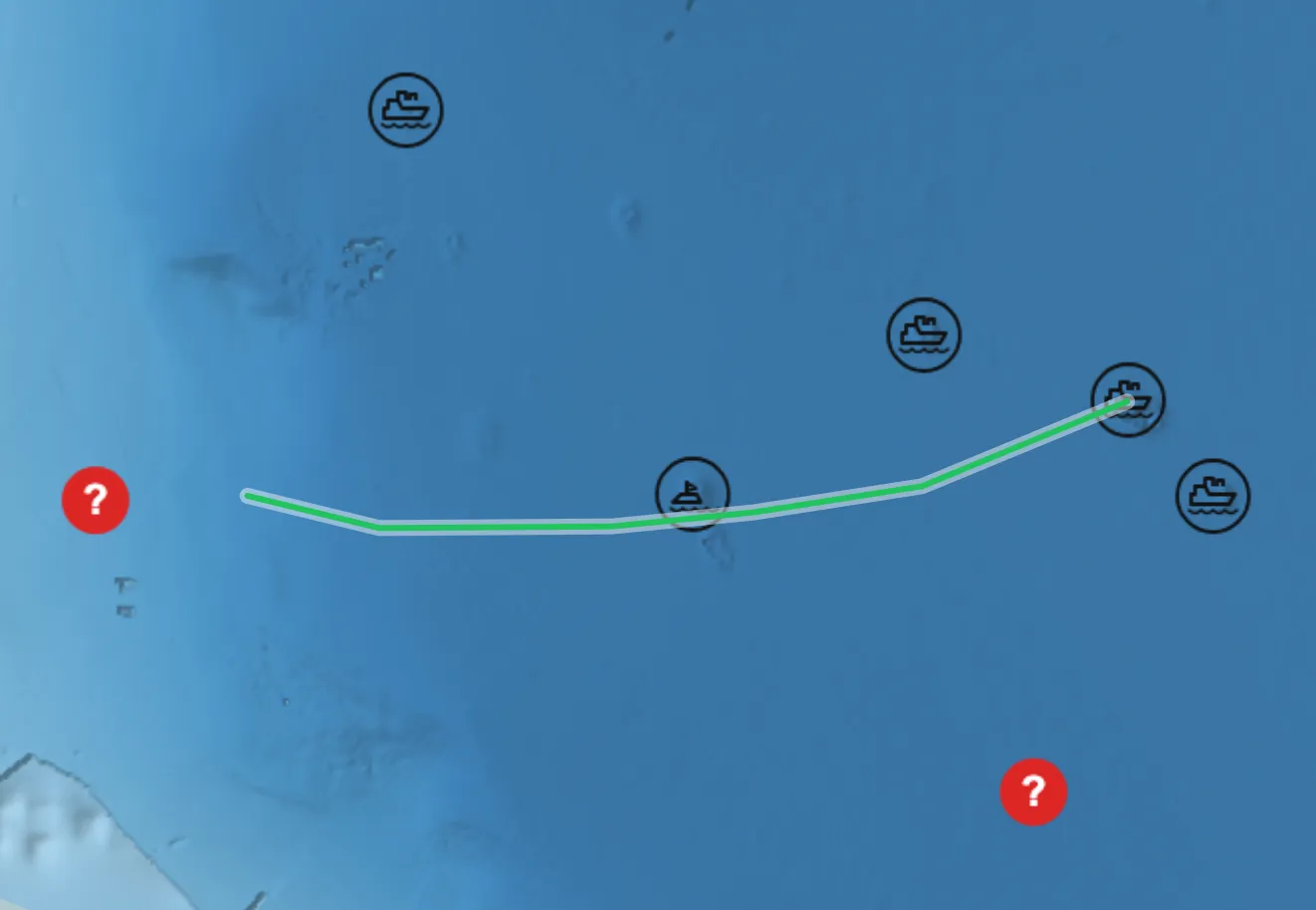
Dive Map
LiveLayered nautical charts for planning the dive and reviewing the track.
Launch Dive Map → Read more →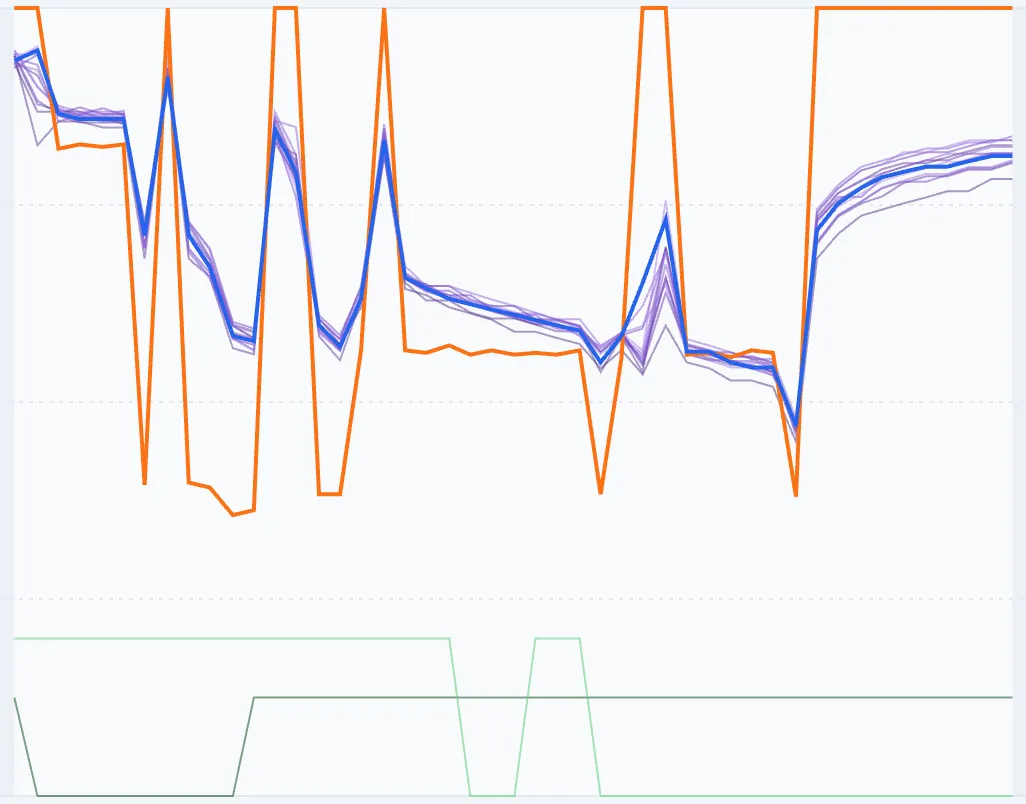
Battery management & datalogging
PrototypePower architecture for the scooter, and a record of what it did.
Read more →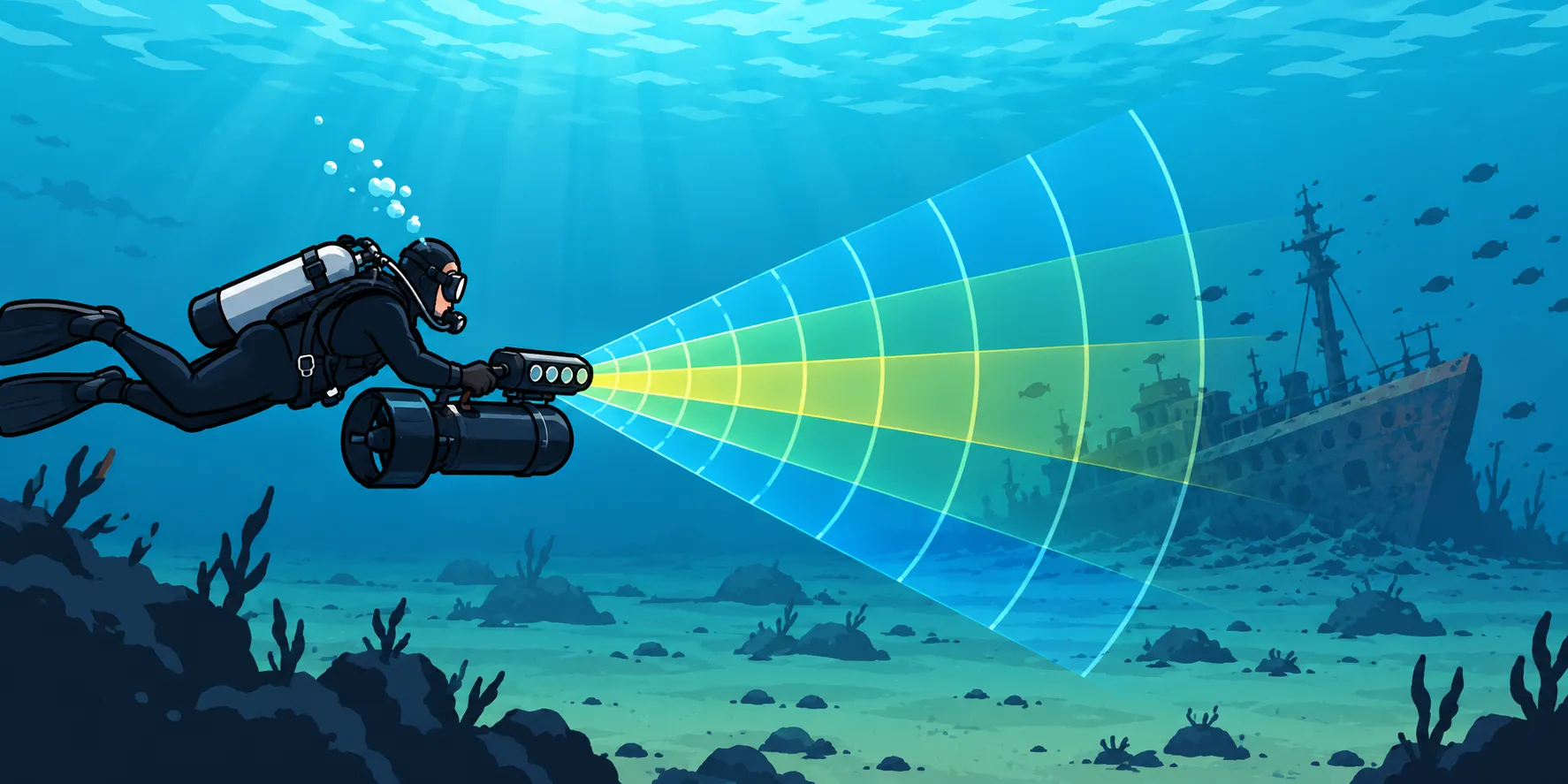
Engineering log
Latest from the workshop
Tumble It in All Directions, Whatever That Means
Every compass calibration guide says to tumble the unit in all directions. It took me hundreds of attempts, a stack of confident-looking screens that were wrong, and a laptop errand I'm glad to be rid of to learn what that actually means.
GPS is More Important Than I'd Assumed
Four iterations to fix GPS on a scooter: the antenna problem, the cable problem, and the problem nobody mentions, which is that you can't tell if any of it is working from the surface.
Surprise: Temperature Matters
I quietly assumed that temperature wasn't a significant impact. The application note even said it was "temperature compensated." Boy did that turn out to be wrong.
About the name
The Arctic Tern is a fantastic bird. It navigates from pole to pole every year — mating in the Antarctic, raising its young in transit, coming of age in the Arctic — and then migrates back to do it all again. Insane, and seriously impressive.
If a bird that small can navigate thousands of kilometres, perhaps if we channel that magic, we can probably manage a few hundred metres underwater with some confidence.